

Before replacing aging sanctuary chairs, churches should inspect frame stability, loose connections, seat padding, upholstery condition, floor glides, and overall comfort. Chairs with structural damage, persistent instability, or significant deterioration may need replacement, while minor cosmetic issues may be repairable. A thorough seating inspection helps churches prioritize safety, manage budgets, and determine whether individual chairs or entire seating sections should be replaced.
Church sanctuary chairs experience years of regular use during worship services, prayer gatherings, weddings, funerals, and special events. Over time, even well-maintained seating can begin showing signs of wear that affect comfort, appearance, and functionality.
At Chairs for Worship, we understand that replacing sanctuary seating is an important decision for any congregation. Church leaders must balance financial stewardship with the responsibility of providing comfortable, dependable seating for worshippers. Evaluating existing chairs before purchasing replacements can help identify immediate concerns, prevent unnecessary expenses, and support a more informed investment.
Whether your church uses padded chairs, interlocking seating, or stackable sanctuary chairs, knowing what to inspect can make the replacement process more efficient and manageable.
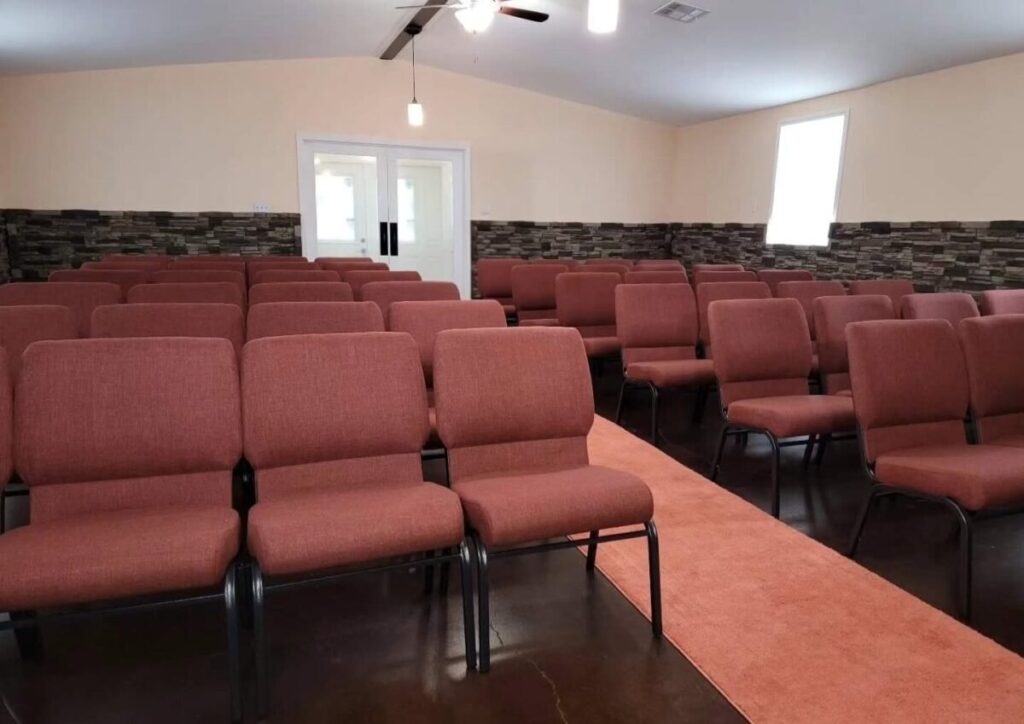
Church Chair Replacement Checklist: Signs Your Sanctuary Seating Needs an Upgrade
Aging church chairs do not always need immediate replacement. However, certain warning signs indicate that repairs may no longer be practical or that seating conditions could create safety concerns.
A structured inspection helps church leaders distinguish between cosmetic wear, declining comfort, and potentially unsafe construction.
How Can Churches Tell if Sanctuary Chair Frames Are Wearing Out?
Loose joints, bent components, cracked welds, and unstable frames are important warning signs that sanctuary chairs may need replacement. Structural integrity should be the first priority during any church seating inspection.
Start by examining each chair’s frame, legs, and connection points.
Look for:
- Bent or damaged legs: Chairs should rest evenly on the floor without leaning or rocking.
- Loose connections: Bolts, fasteners, and other joints should remain secure.
- Cracked welds: Visible cracks or separation around welded joints may indicate structural failure.
- Corrosion: Significant rust can weaken metal components and affect appearance.
- Unusual movement: Excessive flexing, shifting, or instability may indicate deterioration.
If a chair shows signs of structural failure, remove it from service until a qualified person determines whether it can be safely repaired.
The Business and Institutional Furniture Manufacturers Association (BIFMA) develops performance standards for commercial seating. When selecting replacement church chairs, ask manufacturers about applicable durability and stability testing.
Churches should not assume that tightening a loose fastener will resolve every structural problem. Repeated instability may indicate more extensive wear.
When Does Worn Padding Mean Church Chairs Should Be Replaced?
Sanctuary chair padding may need replacement when cushions become flattened, uneven, or unable to provide comfortable support during worship services. If discomfort is widespread and the seating is aging, replacing the chairs may be more practical than reupholstering them.
Padding gradually compresses through repeated use. This can make seats feel harder and reduce the support congregation members expect.
Common signs include:
- Cushions that remain visibly flattened
- Uneven padding or noticeable pressure points
- Foam that has shifted or deteriorated
- Seats that feel significantly harder than newer chairs
- Frequent comments about discomfort during services
Comfort becomes especially important during longer worship services, special programs, and holiday gatherings.
Church leaders can evaluate seating by having staff members or volunteers sit in different sections for a typical service-length period. Comparing chairs throughout the sanctuary may reveal inconsistent comfort levels.
If the frames remain structurally sound, professional cushion replacement or reupholstery may be worth considering.
However, when both padding and frames are deteriorating, new padded church chairs may offer better long-term value.
What Upholstery Damage Should Churches Look for During an Inspection?
Torn fabric, worn seams, permanent stains, and deteriorating upholstery are common indicators that sanctuary chairs need attention. Cosmetic wear alone does not always require full replacement, but extensive damage can affect appearance, cleanliness, and maintenance costs.
Inspect chair seats, backs, corners, and areas that experience frequent contact.
Pay particular attention to:
Fabric tears: Small tears can expand with continued use, exposing foam and other internal materials.
Worn seams: Separating stitching can allow upholstery to loosen or shift.
Persistent stains: Stains that cannot be removed through approved cleaning methods may detract from the sanctuary’s appearance.
Discoloration: Sun exposure, cleaning products, and everyday wear can cause uneven fading.
Odors or moisture damage: Persistent odors or evidence of water damage may require professional evaluation, particularly when moisture has affected internal materials.
Commercial-grade upholstery is designed for frequent use, but its performance depends on fabric construction, maintenance, and environmental conditions.
Churches should follow manufacturer-approved cleaning procedures and avoid harsh products that could damage upholstery or finishes.
When upholstery damage is widespread, compare the cost of recovering existing chairs with purchasing new sanctuary seating.
Should Churches Repair or Replace Old Church Chairs?
Churches should consider repairs when damage is limited, parts are available, and the chair remains structurally sound. Replacement becomes more practical when problems are widespread, recurring, or expensive to correct.
A simple comparison can help church leaders evaluate their options.
| Chair Condition | Recommended Action |
|---|---|
| Minor stains or surface dirt | Clean using approved methods |
| Loose replaceable floor glide | Replace the glide |
| Minor upholstery damage | Evaluate professional repair |
| Flattened padding with sound frame | Compare reupholstery and replacement costs |
| Cracked weld or bent structural frame | Remove from use and evaluate replacement |
| Widespread deterioration | Consider a coordinated seating replacement |
When estimating repair costs, include labor, replacement materials, transportation, and any disruption to church activities.
Also consider the age and availability of matching chairs. If the original model is discontinued, replacing a few damaged chairs may create inconsistent seating arrangements.
A coordinated sanctuary seating upgrade can provide consistent comfort, appearance, and functionality throughout the worship space.
How Should Churches Plan a Sanctuary Chair Replacement Project?
Churches should begin replacement planning with a complete chair inventory, documented inspection results, a seating layout review, and a realistic budget. This approach helps leadership teams prioritize needs while minimizing disruption to worship services.
Follow these practical steps:
- Count existing chairs. Record the number of chairs in use, storage, and need of repair.
- Document their condition. Identify structural concerns, upholstery damage, and comfort issues.
- Prioritize safety. Remove unstable or structurally damaged chairs from service.
- Review sanctuary capacity. Evaluate row spacing, aisles, accessibility, and seating configurations.
- Compare replacement options. Consider padded church chairs, interlocking designs, and stackable models.
- Establish a budget and timeline. Account for chair costs, delivery, setup, and removal of old seating.
Churches should also confirm applicable building, fire, and accessibility requirements before changing seating layouts.
The International Building Code and applicable local fire regulations may establish requirements affecting assembly seating arrangements, including aisle access and egress. Requirements vary by jurisdiction and facility configuration.
If the church plans to replace chairs in phases, selecting a model with dependable future availability can help maintain a consistent appearance.
At Chairs for Worship, we encourage congregations to evaluate both immediate seating needs and long-term ministry goals before choosing replacement chairs.
Frequently Asked Questions About Replacing Sanctuary Chairs
How Often Should Churches Replace Sanctuary Chairs?
There is no universal replacement schedule. Chair lifespan depends on construction quality, frequency of use, maintenance, and environmental conditions. Regular inspections help churches determine when repairs or replacement are necessary.
Can Old Church Chairs Be Reupholstered Instead of Replaced?
Yes. Reupholstering may be practical when frames remain structurally sound and the cost is reasonable. Chairs with damaged frames or multiple recurring problems are generally better candidates for replacement.
What Are the Most Important Safety Signs to Check on Church Chairs?
Check for cracked welds, bent legs, loose connections, excessive rocking, and other structural defects. Remove potentially unsafe chairs from service until they have been properly evaluated.
Should Churches Replace All Sanctuary Chairs at Once?
Not necessarily. Churches may replace chairs in phases when budgets are limited, provided remaining seating is safe and functional. Replacing all chairs together can offer a more consistent appearance and simplify purchasing.
Upgrade Your Sanctuary Seating With Confidence
Aging sanctuary chairs can affect comfort, appearance, and the overall worship experience. Regular inspections help churches recognize problems early, make responsible purchasing decisions, and plan improvements that serve their congregations for years.
Ready to replace worn or outdated sanctuary chairs? Contact Chairs for Worship today to explore comfortable, durable church seating options designed to support your congregation and create a welcoming worship environment!