

Selecting Finishes That Honor Your Chapel’s Unique Design Character
When designing or renovating a chapel, every detail contributes to the overall aesthetic and spiritual atmosphere. Yet many congregations overlook one of the most visible, frequently used elements: the finish and fabric of chapel chairs. At Chairs for Worship, we understand that your chapel chairs shouldn’t merely provide seating. They should seamlessly complement your architectural style, whether your space embodies historic reverence, modern minimalism, or something beautifully in between. With over 30 years of experience helping congregations across the country design seating that honors their unique spaces, we’ve learned that selecting the right chair finishes is both an art and a science. The wrong finish can clash with your chapel’s character, while the perfect choice enhances the entire worship environment. This guide will help you navigate the finish options available and understand how to match chapel chair aesthetics to your architectural style. Our commitment is ensuring every chapel receives seating that reflects its distinctive identity and supports meaningful worship experiences.
Understanding Your Chapel’s Architectural Foundation
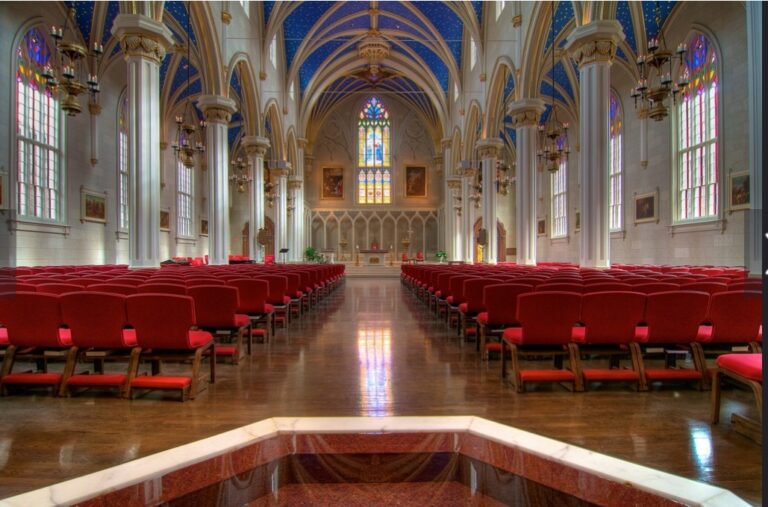
Before selecting chapel chair finishes, understand your chapel’s architectural style. Gothic architecture, common in traditional churches, emphasizes soaring lines, pointed arches, and ornate details. Historic chapels often feature warm wood tones, stone surfaces, and classical proportions. Contemporary and modern chapels, by contrast, prioritize clean lines, minimalism, and often feature neutral palettes with strategic pops of color. Some chapels blend architectural styles, creating transitional spaces that honor tradition while embracing modern sensibilities. Your architectural style should guide every aesthetic decision, including seating. Gothic and traditional spaces call for finish selections that echo classical craftsmanship. Modern chapels benefit from sleek finishes and contemporary fabric choices. Understanding your chapel’s foundational design ensures your seating investment enhances rather than contradicts your space’s character.
Wood Finishes for Historic and Traditional Chapels
Historic chapels demand finishes that respect their architectural heritage. Traditional warm wood tones like antique cherry, honey gold, and rich walnut create visual continuity with stone work, ornate woodwork, and classical architectural elements. These deeper, warmer stains enhance the sense of permanence and reverence that draws people into historic spaces. Consider finishes with subtle variations that echo the patina of aged wood. This approach honors your chapel’s history while providing new, durable seating. Ecclesiastical colors in upholstery, such as deep burgundies, forest greens, and rich golds, complement traditional wood finishes beautifully, creating a cohesive aesthetic that feels authentically historic.
Modern Finishes for Contemporary Chapels
Contemporary and modern chapel architecture calls for different finish approaches. Light oak, natural wood tones, and minimalist finishes work exceptionally well in spaces featuring clean lines and open concepts. Metal frames in brushed aluminum or matte black provide visual interest without ornamental excess. Contemporary upholstery favors neutral palettes: warm grays, soft taupes, cool whites, and subtle tone-on-tone patterns that maintain visual simplicity. These choices create calm, uncluttered environments where architectural elements and natural light take center stage. Modern finishes prioritize functionality and visual clarity, allowing your chapel’s spatial design to remain the primary focus.
Transitional Spaces: Blending Tradition with Modernity
Many chapels represent hybrid designs, blending historic elements with contemporary updates. These spaces require thoughtful finish selections that bridge both aesthetics. Consider medium wood tones like fruitwood or cordovan that bridge warm and cool palettes. Pair these with upholstery in sophisticated neutrals that reference both tradition and modernity. Perhaps incorporate natural wood frames with contemporary silhouettes, or metal-framed chairs with classic proportions. The key is ensuring your chair finishes feel intentional rather than caught between two styles.
The Consultation Process: Getting Finishes Right
Selecting chapel chair finishes without professional guidance risks costly design mismatches. Our consultation process begins with understanding your chapel’s architecture through photographs, descriptions of existing materials, and your aesthetic vision. We present finish samples alongside fabric options, allowing you to see how colors work together in your specific lighting conditions. We discuss traffic patterns, maintenance considerations, and long-term durability. This collaborative approach ensures your selected finishes enhance your chapel while providing years of reliable service.
Creating Visual Harmony Across Your Sanctuary
When multiple seating areas exist within a chapel or between chapels and larger sanctuaries, finish consistency matters. Coordinating wood stains, metal finishes, and upholstery colors creates unified spaces that feel intentionally designed. This coordination strengthens the overall aesthetic impact while demonstrating respect for your chapel’s character and your congregation’s experience.
Ready to Find the Perfect Chapel Chair Finishes for Your Architectural Style?
Contact Chairs for Worship today. Our design specialists will help you navigate finish and fabric options that authentically complement your chapel’s distinctive character. Let’s work together to create seating that honors your space and enhances worship experiences for decades to come. Call us or request a consultation with one of our chapel seating specialists.